

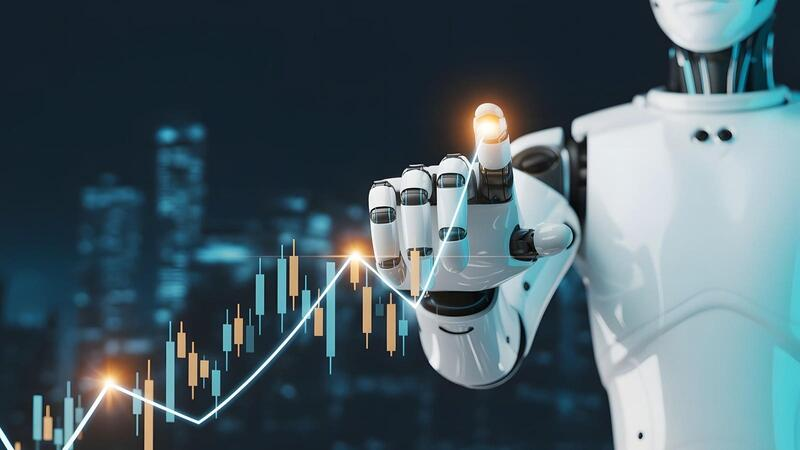
Artificial intelligence is entering a new phase of development.
Rather than simply analyzing data or generating digital content, AI is increasingly becoming capable of performing real-world tasks.
Physical AI is expected to become one of the most influential technologies of the coming decade, driving innovation across manufacturing, transportation, healthcare, logistics, and beyond.
Here are five major trends defining the future of Physical AI.
1. Smarter Autonomous Robots
Traditional robots rely on predefined instructions.
Physical AI enables robots to perceive their environment, adapt to unexpected situations, and continuously improve their performance through learning.
Future robots will be significantly more flexible and intelligent.
2. Digital Twins Accelerate Development
Training robots directly in real-world environments is expensive and often risky.
Digital twin technology creates realistic virtual environments where AI systems can safely learn millions of scenarios before deployment.
This dramatically reduces development costs while improving performance.
3. World Models Become the Core Intelligence
World models allow AI systems to understand:
- Object relationships
- Physical dynamics
- Cause-and-effect reasoning
- Future state prediction
Rather than reacting to events, intelligent systems can anticipate what is likely to happen next and plan accordingly.
4. Multi-Modal Intelligence
Future Physical AI systems will rely on multiple sensing technologies working together, including:
- Cameras
- LiDAR
- Radar
- Depth sensors
- Force sensors
- Voice recognition
- Tactile sensing
Combining multiple data sources allows AI to achieve a much richer understanding of complex environments.
5. Large-Scale Industrial Adoption
Physical AI is becoming a key driver of industrial transformation.
Major application areas include:
- Smart manufacturing
- Intelligent warehousing
- Autonomous logistics
- Smart ports
- Mining automation
- Energy infrastructure
- Medical robotics
As AI foundation models continue to improve, Physical AI will increasingly serve as the intelligent operating system for next-generation industries.
Final Thoughts
The evolution of artificial intelligence is moving beyond the digital world into the physical one.
Physical AI connects advanced algorithms, robotics, sensors, and real-world environments to create machines capable of perceiving, reasoning, and acting autonomously.
For businesses, investing in Physical AI today means preparing for the next wave of intelligent automation and building a competitive advantage in the industries of tomorrow.